Upstream Visibility: The “First-Look” Advantage
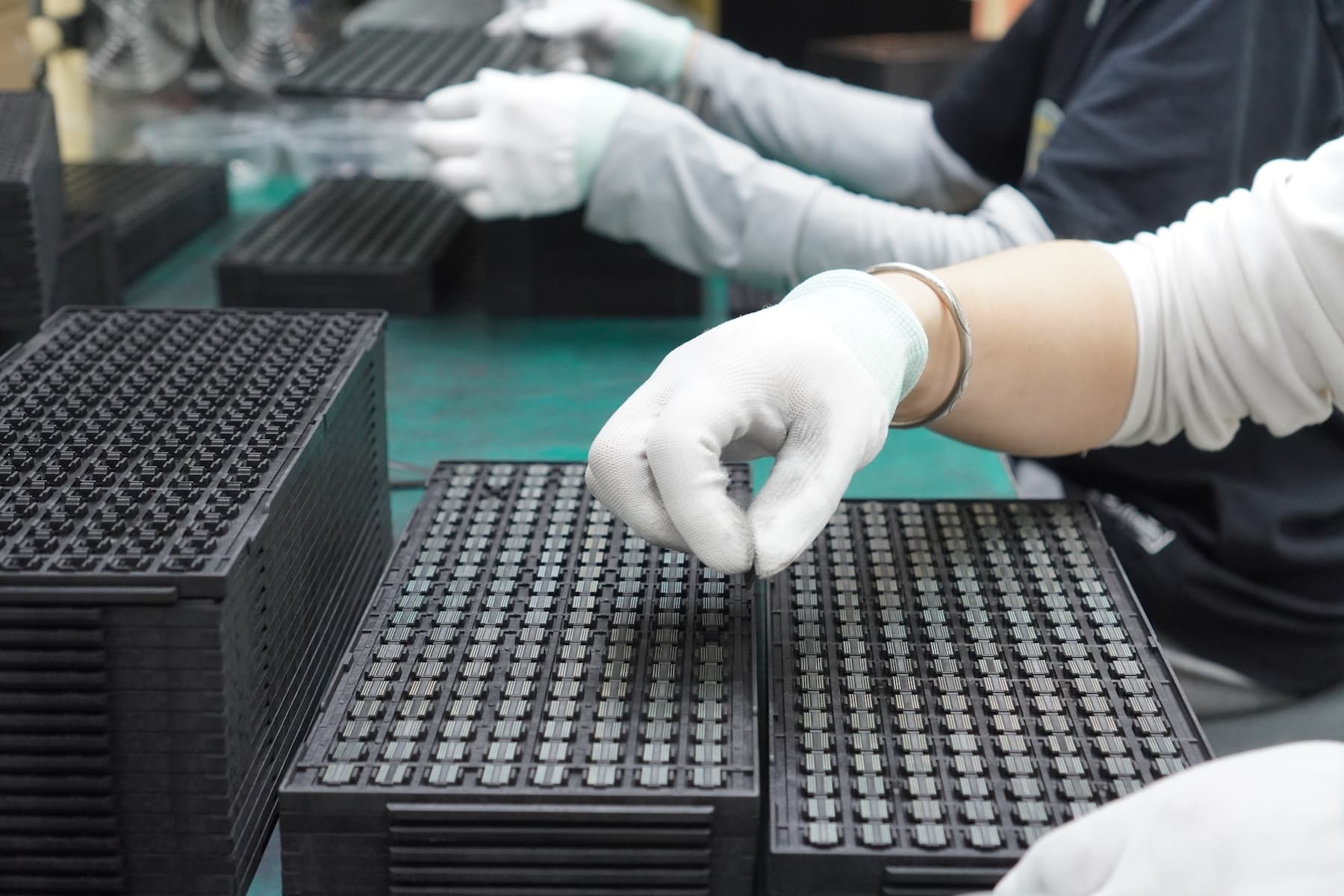
Our partnerships with Asian OEMs allow us to see the “birth” of technology in real-time. By understanding the bill of materials (BOM) and component specifications of upcoming hardware cycles before they hit the enterprise market, we can:
- Predict the Residual Value Curve: We calculate the future secondary market value of an asset 3–5 years before it is even retired.
- Identify Critical Raw Material (CRM) Density: Knowing exactly which precious metals (neodymium, cobalt, lithium) are used in new builds allows us to optimize our “urban mining” and de-manufacturing processes years in advance.
Navigating the “Tariff Storm” & Global Trade Friction
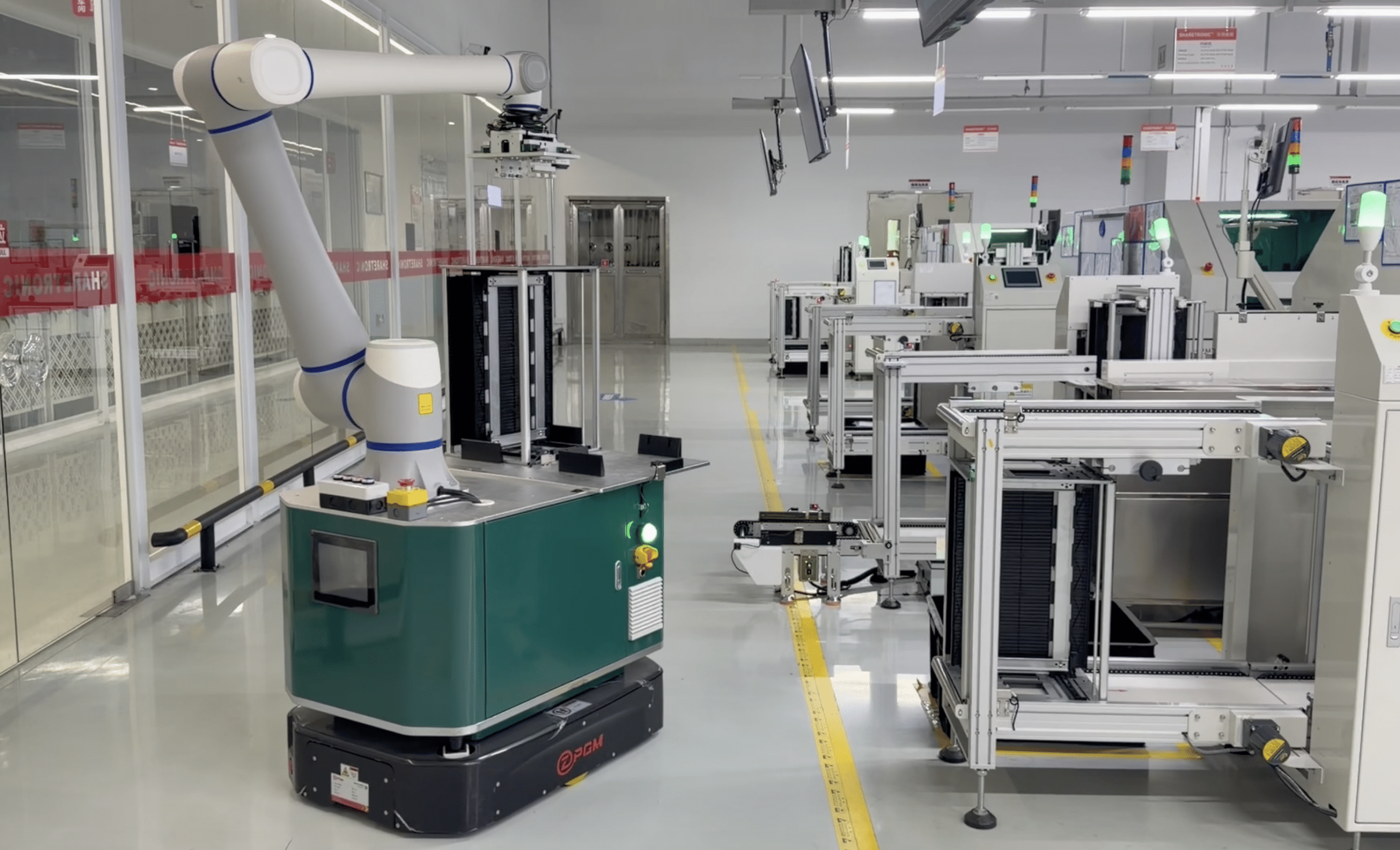
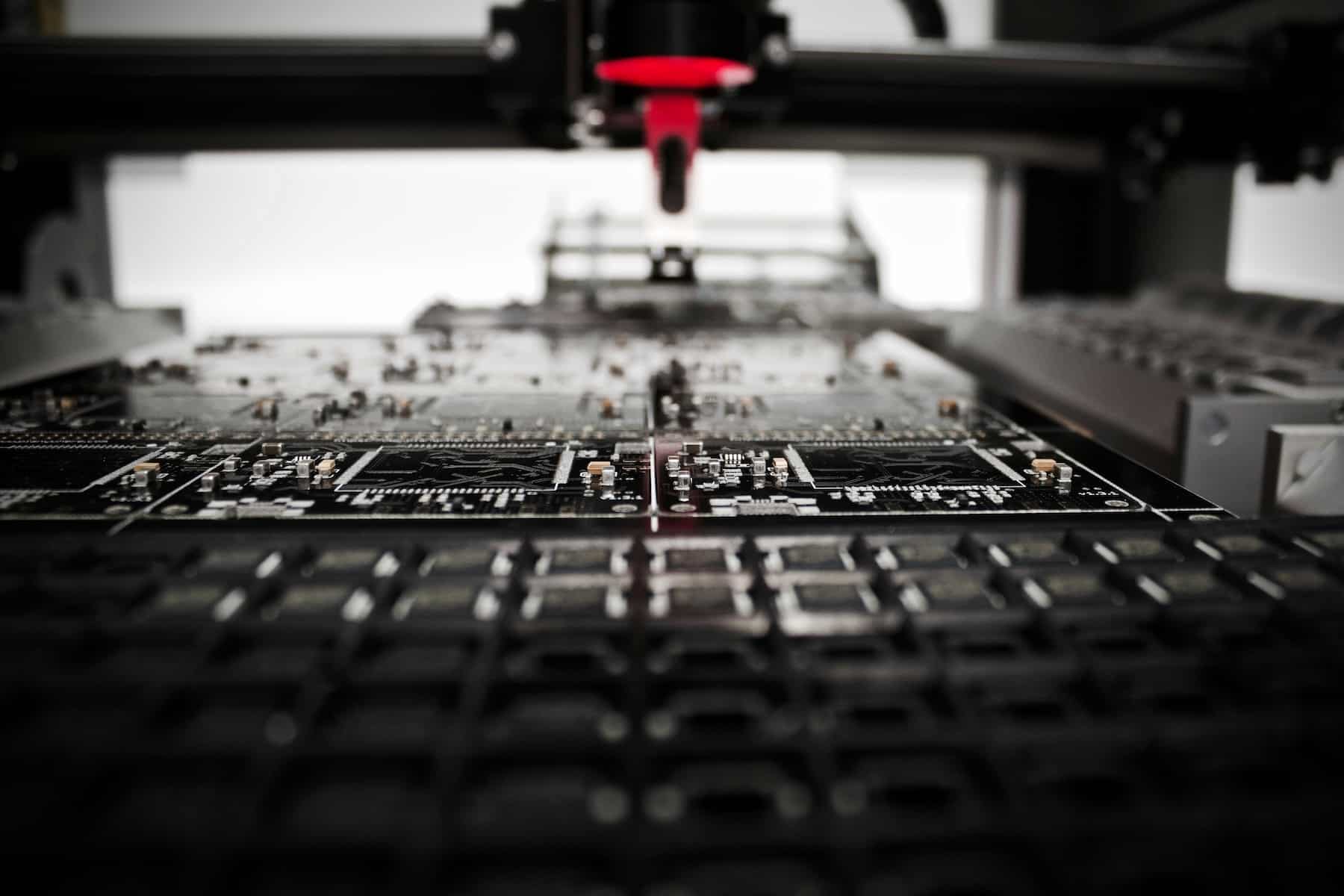
With 2026’s landscape of shifting trade policies and “tariff storms,” manufacturing integration is a risk-mitigation tool.
Supply Chain Resilience
We track manufacturing shifts between regions (e.g., the move toward Southeast Asian hubs or North American “near-shoring”).
Regulatory Forewarning
Being embedded with manufacturers means we are the first to know about changes in hardware-level security (like new TPM standards) or eco-design mandates (like the EU’s Digital Product Passport), ensuring our clients’ disposition strategies are compliant before the laws even take effect.

Component-Level Arbitrage
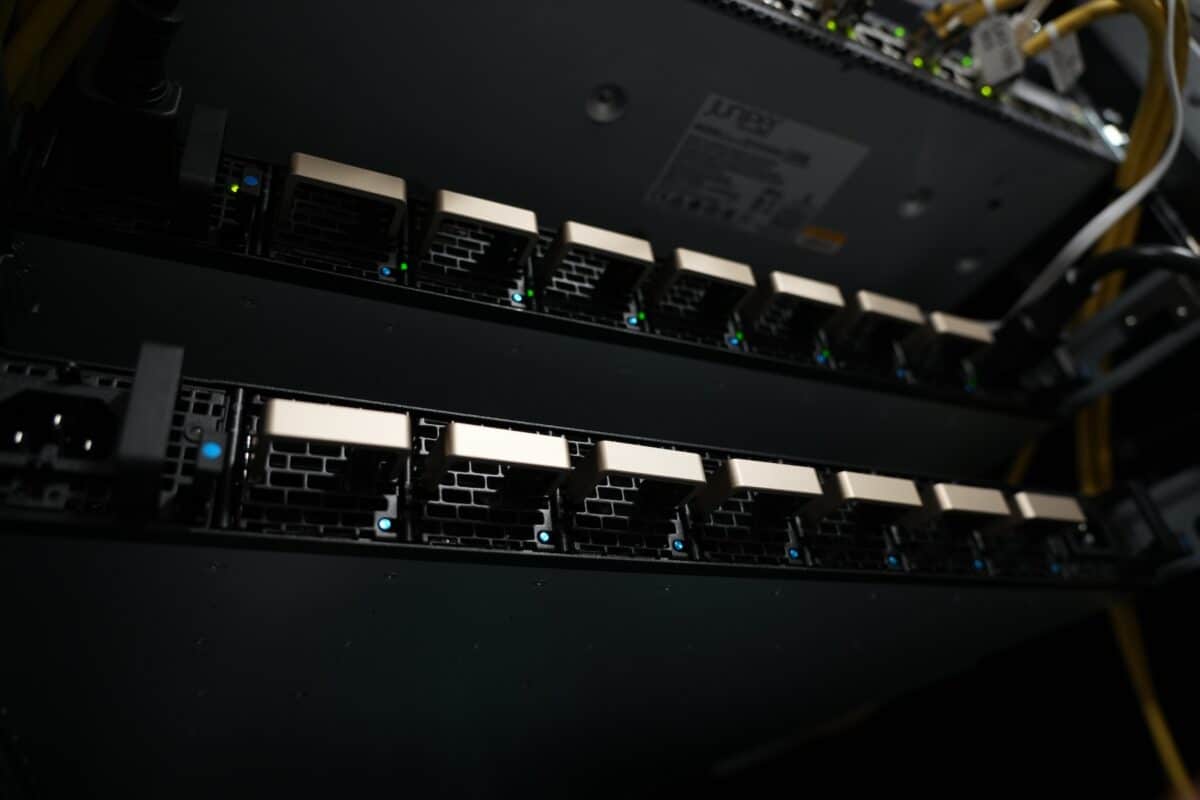
The global manufacturing sector often faces “bottlenecks” where certain components (like high-end AI GPUs or specific memory modules) are in high demand but low supply.
Market Equilibrium
Because we are integrated with the sector that needs these parts for new builds, we can identify when a “retired” asset is actually more valuable as a source of components than as a whole unit.
Direct-to-Manufacturer Circularity
In some cases, we facilitate the return of harvested, high-spec components directly back into the manufacturing supply chain—true “closed-loop” circularity that bypasses traditional, low-margin resale channels.